

Comprehensive Urologic Services
Bower Urology provides diagnosis, treatment, and advanced surgical care for a wide range of urologic conditions affecting the urinary tract and male reproductive system.
Home » Services
Overview of Care
Personalized Treatment for Urologic Conditions
Urologic conditions can affect many aspects of a patient’s health and quality of life. At Bower Urology, we provide careful evaluation, clear diagnosis, and treatment plans tailored to each patient’s condition and medical history.
Dr. Bower practices the full scope of general urology, including treatment of urologic cancers, kidney stone disease, prostate conditions, urinary disorders, and other related conditions.
Treatment may involve medical management, minimally invasive procedures, or advanced surgical techniques depending on the patient’s needs.
Our goal is to ensure that patients understand their options and feel confident in the care they receive.
WHAT IS
Urology?
UROLOGY IS A PART OF HEALTH CARE THAT DEALS WITH DISEASES OF THE MALE AND FEMALE URINARY TRACT
( KIDNEYS, URETERS, BLADDER AND URETHRA)
Conditions Treated
Diagnosis and Treatment of Common Urologic Conditions
Bower Urology evaluates and treats a wide range of urologic conditions involving the kidneys, bladder, prostate, and urinary tract.
Conditions treated include:

Bladder Cancer

Blood in Urine (hematuria)

Enlarged Prostate (BPH)

Elevated PSA

Erectile Dysfunction

Hydrocele

Hydronephrosis

Kidney Cancer

Kidney Stones

Low Testosterone

Urethral, Testicular, and Scrotal Infections

Prostate Cancer

Prostate Disease

Prostatitis

Spermatocele

Testicular Cancer

Testicular Torsion

Ureteral Strictures

Urethral Strictures

Urinary Frequency

Urinary Incontinence

Urinary Tract Infections

Voiding Dysfunction in Adults
Each condition is carefully evaluated through medical history, physical examination, imaging, and diagnostic testing when appropriate.
Surgical Treatments
Advanced Procedures and Surgical Techniques
Bower Urology offers a wide range of surgical and minimally invasive procedures to treat urologic conditions when medication or conservative treatments are not sufficient.
Procedures offered include:

Aquablation therapy for enlarged prostate

Bladder biopsy

Bladder Botox injections

Bulkamid urethral bulking agent

Cystoscopy

Kidney surgery

Laser lithotripsy with Thulium laser

Penile prosthesis implantation

Percutaneous nephrolithotomy (PCNL)

Prostate biopsy

Pyeloplasty

Radical cystectomy (robotic)

Radical or partial nephrectomy (robotic)

Radical prostatectomy with nerve sparing

Robotic-assisted laparoscopic surgery using the da Vinci robotic system

Sacral nerve stimulation with Axonics

Shockwave lithotripsy (ESWL)

Transurethral resection of bladder tumor (TURBT)

Transurethral resection of the prostate (TURP)

Urethral dilation with Optilume

Urethral sling for female incontinence

Ureteral reconstruction

Urethral reconstruction

Vasectomy (no scalpel)
Dr. Bower evaluates each patient individually to weigthtloss the most appropriate treatment plan and surgical approach.
Hospital Affiliations
Trusted Surgical Facilities
For procedures requiring hospital-based care, Dr. Bower works with leading hospitals on the Treasure Coast.
These affiliations allow patients access to advanced medical equipment and hospital resources when surgical treatment is required.

HCA Florida Lawnwood Hospital
1700 S 23rd Street Fort Pierce, FL 34950

HCA Florida St. Lucie Hospital
1800 SE Tiffany Avenue Port St. Lucie, FL 34952
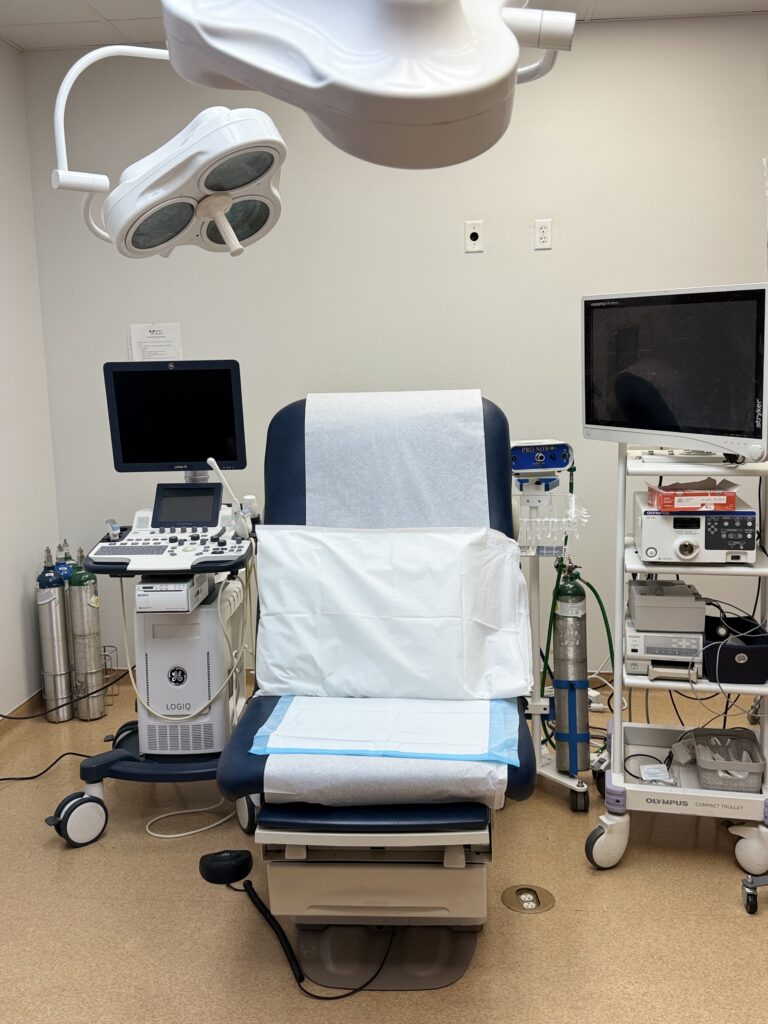
Technology and Modern Treatment Approaches
Dr. Bower is trained in advanced technologies used in modern urologic care, including robotic-assisted surgery and minimally invasive treatment techniques.
These technologies allow many procedures to be performed with increased precision and often shorter recovery periods for patients.
Examples of advanced
treatment technologies include:

Robotic-assisted surgery using the da Vinci Xi system

Aquablation therapy for enlarged prostate

Laser lithotripsy for kidney stones

Sacral neuromodulation for bladder control disorders
When to See a Urologist

Blood in the urine

Persistent urinary symptoms

Kidney stone pain

Difficulty urinating

Elevated PSA levels

Male reproductive health concerns
Request an Appointment
If you are experiencing urologic symptoms or have been referred for specialist evaluation, the team at Bower Urology is here to help.
Appointments are available at both our Port St. Lucie and Fort Pierce locations.
Frequently Asked Questions
1. What conditions does a urologist treat?
A urologist treats conditions affecting the kidneys, bladder, prostate, ureters, urethra, urinary tract, and male reproductive system. Common reasons to see a urologist include kidney stones, blood in the urine, enlarged prostate symptoms, erectile dysfunction, urinary tract infections, urinary frequency, urinary incontinence, elevated PSA, prostate cancer, bladder cancer, kidney cancer, and testicular concerns.
2. When should I see a urologist instead of my primary care doctor?
You should see a urologist if you have recurring urinary symptoms, blood in your urine, kidney stone pain, elevated PSA, prostate problems, erectile dysfunction, incontinence, frequent UTIs, testicular pain, or symptoms that do not improve with initial treatment. A urologist can provide specialized testing, diagnosis, and treatment options for urinary and reproductive health concerns.
3. What does blood in the urine usually mean?
Blood in the urine, also called hematuria, can happen for several reasons, including kidney stones, urinary tract infections, prostate conditions, bladder irritation, or urologic cancers. Even if there is no pain, blood in the urine should be evaluated by a urologist to identify the cause and rule out serious conditions.
4. What are the common symptoms of an enlarged prostate?
Common symptoms of an enlarged prostate, or BPH, include frequent urination, weak urine stream, difficulty starting urination, waking up at night to urinate, urgency, and feeling like the bladder does not fully empty. A urologist can evaluate the prostate and recommend treatment options based on symptom severity and overall health.
5. What is an elevated PSA, and does it always mean prostate cancer?
An elevated PSA does not always mean prostate cancer. PSA levels can rise because of an enlarged prostate, inflammation, infection, recent procedures, or prostate cancer. A urologist can review PSA results, risk factors, symptoms, and medical history to determine whether monitoring, additional testing, imaging, or biopsy may be needed.
6. How does a urologist treat kidney stones?
Kidney stone treatment depends on the size, location, and severity of symptoms. Some stones may pass with medication and increased fluids, while others may need procedures such as shockwave lithotripsy, laser lithotripsy, ureteroscopy, or kidney stone surgery. A urologist can recommend the best option based on imaging and symptoms.
7. When is urinary frequency a sign of a medical problem?
Urinary frequency may be a medical problem if it happens suddenly, disrupts sleep, comes with urgency, pain, leakage, blood in the urine, or difficulty emptying the bladder. Possible causes include urinary tract infections, overactive bladder, prostate enlargement, bladder irritation, or other urinary disorders.
8. What treatments are available for urinary incontinence?
Urinary incontinence treatment may include lifestyle changes, bladder training, medication, pelvic floor therapy, bladder Botox injections, urethral bulking agents, or neuromodulation procedures. The right treatment depends on the type of incontinence, severity of leakage, and underlying cause.
9. Can a urologist help with erectile dysfunction and low testosterone?
Yes. A urologist can evaluate erectile dysfunction and low testosterone by reviewing symptoms, medical history, medications, hormone levels, blood flow concerns, and related health conditions. Treatment may include lifestyle guidance, medication, hormone evaluation, or other therapies, depending on the cause.
10. What urologic cancers does Bower Urology evaluate and treat?
Bower Urology evaluates and treats urologic cancers such as prostate cancer, bladder cancer, kidney cancer, and testicular cancer. Care may include diagnostic testing, cancer evaluation, treatment planning, surgical options, and ongoing follow-up based on the patient’s condition and diagnosis.