Advanced Surgical Solutions For Urologic Conditions
Bower Urology provides a wide range of surgical and minimally invasive procedures used to treat conditions affecting the urinary tract and male reproductive system. These procedures are recommended when conservative treatments or medication alone are not sufficient to resolve a patient’s condition.
Dr. Bower is trained in modern urologic surgical techniques and advanced technologies that allow many procedures to be performed with greater precision and improved recovery outcomes.
Patients across Port St. Lucie, Fort Pierce, Stuart, Jensen Beach, Hobe Sound, and the surrounding Treasure Coast rely on Bower Urology for experienced surgical care.
Surgical Expertise And Modern Technology
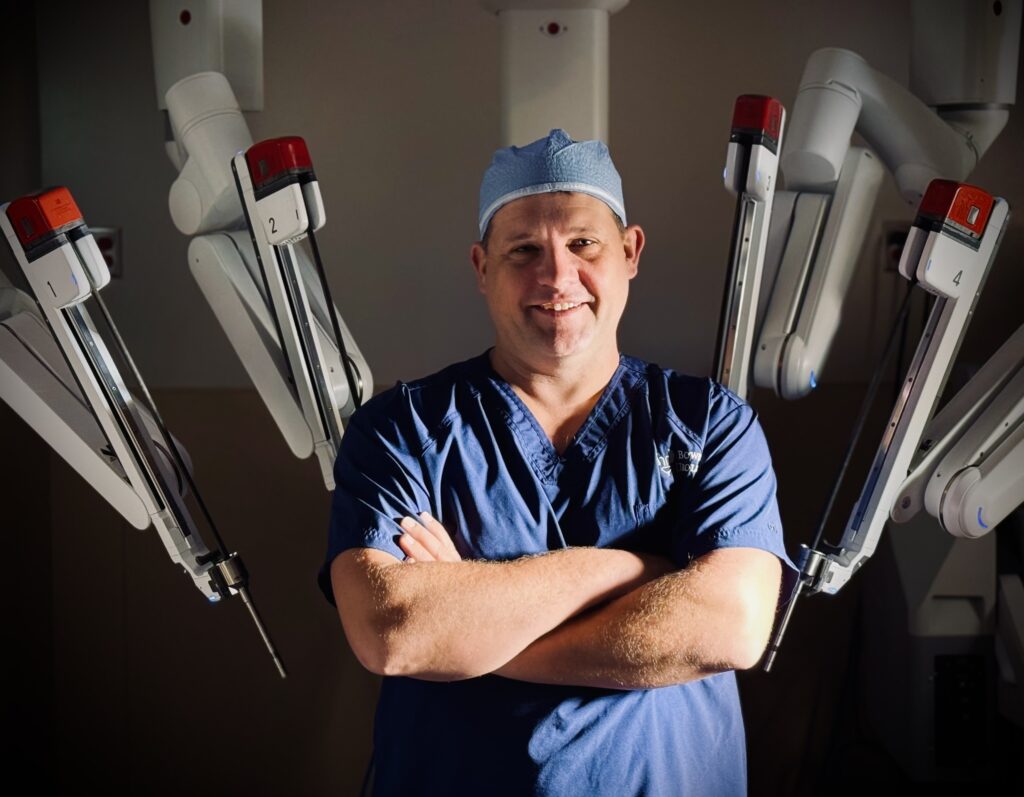
Urologic surgery may be recommended to treat a variety of conditions including kidney stones, prostate enlargement, urologic cancers, urinary obstruction, and other complex disorders. Dr. Bower performs procedures using both traditional and minimally invasive approaches depending on the patient’s condition and overall health. Advanced surgical techniques may include:

Robotic-assisted surgery using the Da Vinci Xi system
Minimally invasive endoscopic procedures
Laser-based treatments
Reconstructive urologic surgery
These technologies allow many procedures to be performed with increased accuracy and often shorter recovery times.
Surgical Procedures Offered
Aquablation Therapy
Aquablation is a minimally invasive procedure used to treat benign prostatic hyperplasia (BPH) by removing excess prostate tissue using a high-velocity water jet.
Bladder Biopsy
A bladder biopsy involves removing a small sample of bladder tissue for examination to evaluate abnormal growths or cancer.
Bladder Botox
Bladder Botox injections are used to treat overactive bladder by relaxing bladder muscles and improving bladder control.
Bulkamid Urethral Bulking Agent
Bulkamid injections are used to treat stress urinary incontinence by strengthening the urethral closure mechanism.
Cystoscopy
Cystoscopy is a diagnostic and therapeutic procedure used to examine the bladder and urethra using a specialized scope.
Kidney Surgery
Surgical procedures involving the kidney may be performed to treat tumors, obstruction, or structural abnormalities.
Laser Lithotripsy With Thulium Laser
Laser lithotripsy uses laser energy to break kidney stones into smaller fragments that can be passed naturally or removed.
Penile Prosthesis
A penile prosthesis may be implanted surgically to treat severe erectile dysfunction when other treatments are not effective.
Percutaneous Nephrolithotomy (PCNL)
PCNL is a minimally invasive surgical procedure used to remove large kidney stones through a small incision in the back.
Prostate Biopsy
A prostate biopsy is performed to obtain tissue samples for evaluation when prostate cancer is suspected.
Pyeloplasty
Pyeloplasty is performed to correct blockages affecting urine flow between the kidney and ureter.
Radical Cystectomy (Robotic)
A robotic radical cystectomy removes the bladder when cancer is present.
Radical Or Partial Nephrectomy (Robotic)
These procedures involve removal of all or part of a kidney affected by cancer.
Radical Prostatectomy (Robotic With Nerve Sparing)
Robotic prostatectomy removes the prostate gland while attempting to preserve surrounding nerves responsible for sexual function.
Robotic Assisted Laparoscopic Surgery
Robotic-assisted laparoscopic surgery allows surgeons to perform complex procedures using enhanced precision and visualization.
Sacral Nerve Stimulator With Axonics
Sacral neuromodulation is used to treat bladder control problems by regulating nerve signals between the bladder and brain.
Shockwave Lithotripsy (ESWL)
Shockwave lithotripsy uses sound waves to break kidney stones into smaller fragments.
Transurethral Resection Of Bladder Tumor (TURBT)
TURBT removes bladder tumors through the urethra without external incisions.
Transurethral Resection Of The Prostate (TURP)
TURP removes prostate tissue obstructing urine flow in patients with enlarged prostate.
Urethral Dilation With Optilume
This procedure treats urethral strictures by widening the urethra and restoring urine flow.
Ureteral Reconstruction
Ureteral reconstruction repairs structural abnormalities affecting urine flow from the kidney to the bladder.
Urethral Reconstruction
This procedure repairs damage or narrowing of the urethra.
Vasectomy (No Scalpel)
A no-scalpel vasectomy is a minimally invasive procedure performed for permanent male contraception.
Personalized Surgical Planning
Every patient’s condition is unique. Dr. Bower evaluates each patient carefully before recommending surgery and discusses all available treatment options.
Factors considered when planning surgery include:
- the patient’s diagnosis
- severity of symptoms
- overall health and medical history
- potential benefits and risks of treatment
The goal is to ensure patients receive the safest and most appropriate treatment for their condition.
Surgical Care Through Trusted Local Hospitals
Certain procedures require hospital-based facilities and specialized equipment. Dr. Bower performs surgical procedures at leading hospitals on the Treasure Coast.
These hospital affiliations allow patients access to advanced medical technology and coordinated care when surgical treatment is required.
Schedule Your Appointment
If you are experiencing urologic symptoms or have been referred for specialist evaluation, Bower Urology is available to assist you
Appointments are available at our Port St. Lucie and Fort Pierce offices.
Frequently Asked Questions
1. When does a urologist recommend surgery?
A urologist may recommend surgery when medication, lifestyle changes, or conservative treatments are not enough to manage the condition. Surgery may be used for kidney stones, enlarged prostate, bladder tumors, prostate cancer, kidney cancer, urinary obstruction, urethral narrowing, or bladder control problems.
2. What is Aquablation therapy used for?
Aquablation therapy is used to treat benign prostatic hyperplasia, also called BPH or enlarged prostate. It removes excess prostate tissue using a high-velocity water jet to help improve urine flow and reduce symptoms such as weak stream, frequent urination, and incomplete bladder emptying.
3. What is the difference between Aquablation and TURP?
Aquablation and TURP are both procedures used to treat enlarged prostate symptoms. Aquablation uses a water jet to remove excess prostate tissue, while TURP removes obstructing prostate tissue through the urethra. A urologist can recommend the better option based on prostate size, symptoms, health history, and treatment goals.
4. What is cystoscopy used to diagnose?
Cystoscopy is used to examine the bladder and urethra with a specialized scope. It may help diagnose blood in the urine, bladder tumors, urinary blockage, recurring UTIs, urethral narrowing, bladder stones, or causes of urinary pain and irritation.
5. How does laser lithotripsy treat kidney stones?
Laser lithotripsy uses laser energy to break kidney stones into smaller pieces. Once the stone is fragmented, the pieces may pass naturally or be removed during the procedure. This treatment may be recommended when a stone is too large, painful, blocked, or unlikely to pass on its own.
6. What is the difference between ESWL and laser lithotripsy?
ESWL, or shockwave lithotripsy, uses sound waves from outside the body to break kidney stones into smaller fragments. Laser lithotripsy uses a scope and laser energy to break stones from inside the urinary tract. The best option depends on the stone’s size, location, density, and symptoms.
7. When is PCNL needed for kidney stones?
Percutaneous nephrolithotomy, or PCNL, is usually used for large kidney stones or complex stones that cannot be treated effectively with less invasive options. During PCNL, the stone is removed through a small incision in the back, allowing the urologist to access the kidney directly.
8. What is robotic prostatectomy with nerve sparing?
Robotic prostatectomy is a surgical procedure used to remove the prostate gland, often for prostate cancer. A nerve-sparing approach attempts to preserve nearby nerves that help control sexual function when it is safe and appropriate, based on the cancer location and patient condition.
9. What treatments are available for bladder control problems?
Surgical or procedural treatments for bladder control problems may include bladder Botox, Bulkamid urethral bulking injections, or sacral nerve stimulation. These options may be considered when symptoms such as overactive bladder, urgency, or urinary leakage do not improve enough with conservative treatments.
10. What is a no-scalpel vasectomy?
A no-scalpel vasectomy is a minimally invasive procedure used for permanent male birth control. Instead of using a traditional incision, the urologist makes a small opening to access the vas deferens, which can reduce bleeding, discomfort, and recovery time for many patients.